Details of Brain Stroke
It occurs when a blood vessel in the brain ruptures and bleeds or when there is some disruption with blood circulation to the brain. When blood or oxygen circulation is disrupted or reduced, brain cells start dying.
There are two main types:
Ischemic stroke: It occurs when the brain's blood vessels become narrowed causing high reduction of blood circulation.
Hemorrhagic stroke: It occurs when blood vessels in the brain rupture.
May include:
- Severe headache
- Seizures
- Nausea or vomiting
- Changes in vision
- Tingling or numbness
- Difficulty in speaking
- Difficulty in writing or reading
- Difficulty in swallowing
- Hand tremors
- Loss of balance
- Loss of consciousness
May include:
- Injury or trauma
- Cerebral aneurysm
- Blood thinners
- High blood pressure
- Chronic disease
May be recommended:
- Physical examination
- Blood tests
- Imaging tests like CT, MRI & X-rays
- Carotid ultrasound
- Cerebral angiogram
- Echocardiogram
Treatment options for Ischemic stroke:
Medications: Antiplatelet and anticoagulants and clot-breaking drugs are often prescribed at earliest.
Mechanical thrombectomy: During the procedure, A catheter is inserted into the large blood vessel inside the head and then this catheter is used to drain the clot within 24 hours of the stroke.
Stents: It is performed to inflate the affected artery.
Surgery: It is performed to remove the blood clots from the artery. This may be executed with catheter in case of small clots or open surgery if it is big clot.
Treatment options for Hemorrhagic stroke:
Medications: Sometimes, drugs are prescribed that can reduce blood pressure, prevent seizures and constriction.
Coiling: It is done to install a coil-like device in the area of affected artery. This stops blood circulation to the area.
Clamping: It is performed to prevent additional bleeding through placing a tiny clamp at the base of aneurysm.
Surgery: It is performed to clip the aneurysm to prevent additional bleeding. At the same time craniotomy may be required to relieve the pressure.
Which may increase the risks:
- Being physically inactive
- Being overweight
- Excessive drink
- Drugs and cocaine
- Age, race, sex
If left untreated:
- Paralysis
- Loss of brain function
- Stroke
- Death
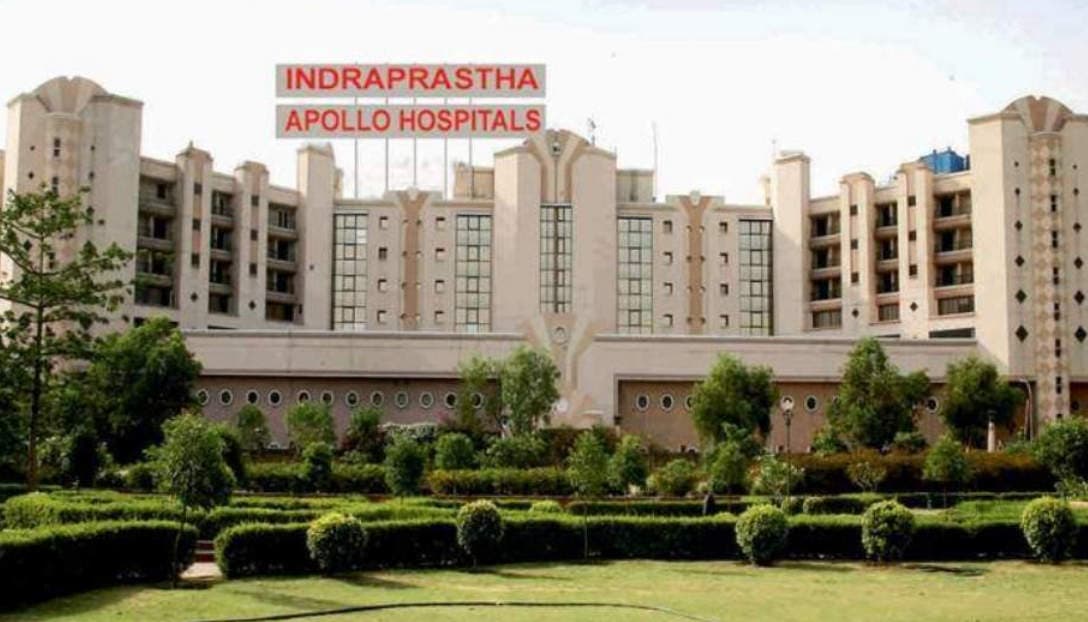
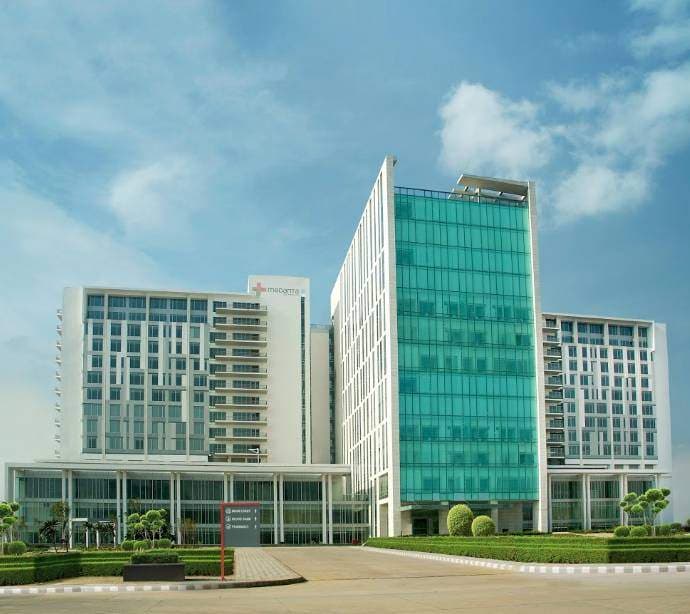
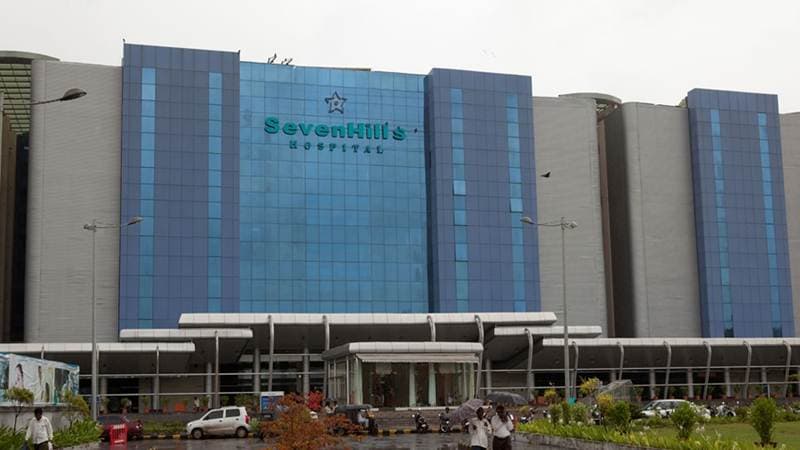
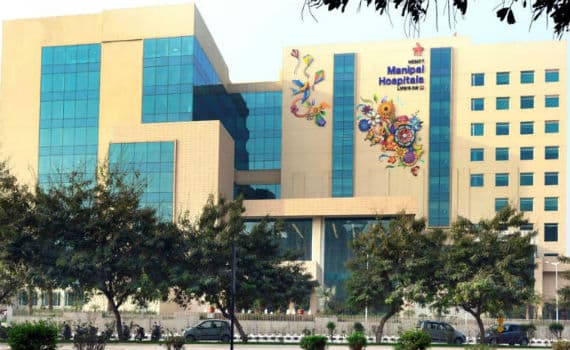
Best hospitals for Brain Stroke in India




Best hospitals in other cities
- Best hospitals for Brain Stroke in Ahmedabad, India
- Best hospitals for Brain Stroke in Bangalore, India
- Best hospitals for Brain Stroke in Chandigarh - Mohali, India
- Best hospitals for Brain Stroke in Chennai - Madras, India
- Best hospitals for Brain Stroke in Faridabad, India
- Best hospitals for Brain Stroke in Gurgaon - Gurugram, India
- Best hospitals for Brain Stroke in Hyderabad, India
- Best hospitals for Brain Stroke in Kochi - Kerala, India
- Best hospitals for Brain Stroke in Mumbai, India
- Best hospitals for Brain Stroke in New Delhi - Delhi, India
- Best hospitals for Brain Stroke in Noida - Greater Noida, India
- Best hospitals for Brain Stroke in Pune, India
Best doctors in other cities
- Best doctors for Brain Stroke in Ahmedabad, India
- Best doctors for Brain Stroke in Bangalore, India
- Best doctors for Brain Stroke in Chandigarh - Mohali, India
- Best doctors for Brain Stroke in Chennai - Madras, India
- Best doctors for Brain Stroke in Faridabad, India
- Best doctors for Brain Stroke in Gurgaon - Gurugram, India
- Best doctors for Brain Stroke in Hyderabad, India
- Best doctors for Brain Stroke in Kochi - Kerala, India
- Best doctors for Brain Stroke in Mumbai, India
- Best doctors for Brain Stroke in New Delhi - Delhi, India
- Best doctors for Brain Stroke in Noida - Greater Noida, India
- Best doctors for Brain Stroke in Pune, India