
Cost of HIV in India
Acquired immunodeficiency syndrome (AIDS) is a chronic, potentially life threatening condition caused by the human immunodeficiency virus (HIV). HIV damages the body’s immune system and interferes with its ability to fight infection and disease.
Best price for HIV in India
Providing you the best services
Best hospitals in other cities
- Best hospitals for HIV in Ahmedabad, India
- Best hospitals for HIV in Bangalore, India
- Best hospitals for HIV in Chandigarh - Mohali, India
- Best hospitals for HIV in Chennai - Madras, India
- Best hospitals for HIV in Faridabad, India
- Best hospitals for HIV in Gurgaon - Gurugram, India
- Best hospitals for HIV in Hyderabad, India
- Best hospitals for HIV in Kochi - Kerala, India
- Best hospitals for HIV in Mumbai, India
- Best hospitals for HIV in New Delhi - Delhi, India
- Best hospitals for HIV in Noida - Greater Noida, India
- Best hospitals for HIV in Pune, India
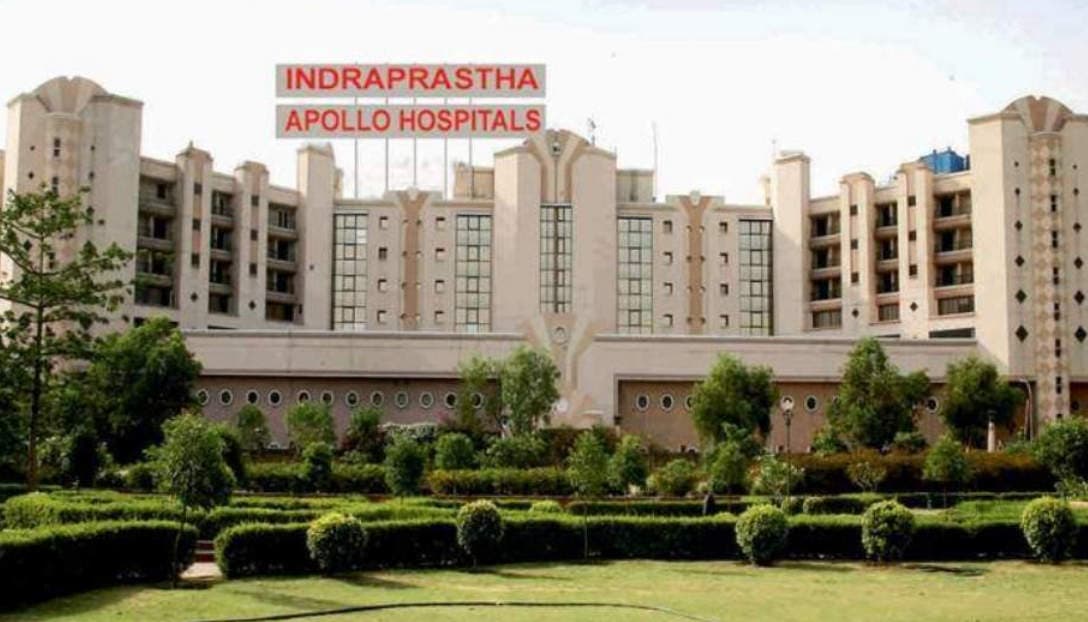
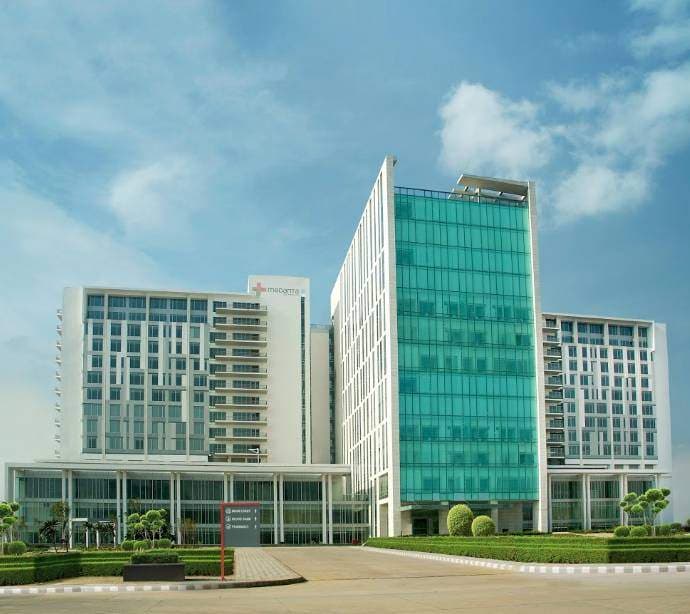
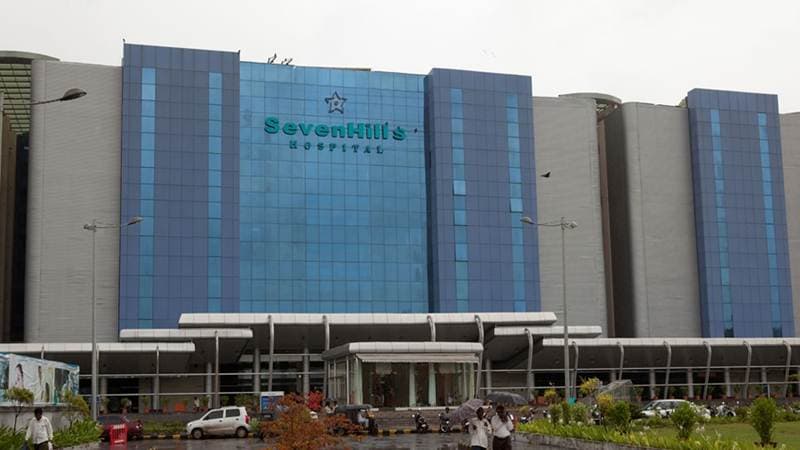
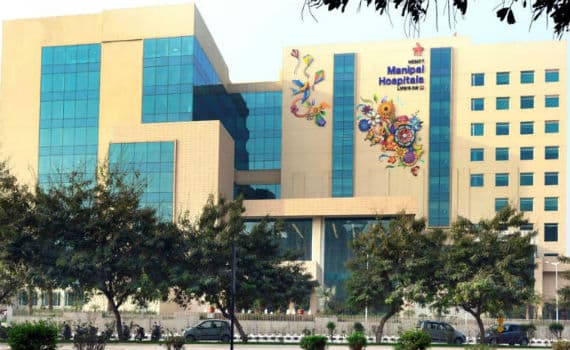
Best hospitals for HIV in India




Frequently asked questions
Acquired immunodeficiency syndrome (AIDS) is a chronic, potentially life threatening condition caused by the human immunodeficiency virus (HIV). HIV damages the body’s immune system and interferes with its ability to fight infection and disease.
May include:
- Fever
- Headache
- Muscle aches and joint pain
- Rash
- Sore throat and painful mouth sores
- Swollen lymph glands, mainly on the neck
- Diarrhea
- Wight loss
- Cough
- Night sweats
- Persistent white spots or unusual lesions on the tongue or in the mouth
- Persistent, unexplained fatigue
- Weakness
- Skin rashes or bumps
May include:
- Having sex with an infected partner
- By sharing needles
- From blood transfusions
- During pregnancy or delivery or through breast-feeding
May be asked for:
- Antigen/antibody tests
- Antibody tests
- Nucleic acid tests (NATs) Also, after receiving a diagnosis, several tests help determine the stage of the disease and the best treatment, including:
- CD4 cell count
- Viral load (HIV RNA)
- Drug resistance
Currently, there is no cure for HIV/AIDS. However, there are many medications that can control HIV and prevent complications. These are called antiretroviral therapy (ART). Everyone diagnosed with HIV has to be started on ART. ART is usually a combination of three or more medications from several different drug classes. This approach has the best chance of lowering the amount of HIV in the blood. There are many ART options that combine three HIV medications into one pill, taken once daily. Each class of drugs blocks the virus in different ways.
Treatment involves combinations of drugs from different classes to:
Account for individual drug resistance (viral genotype)
Avoid creating new drug-resistant strains of HIV
Maximize suppression of virus in the blood Two drugs from one class, plus a third drug from a second class, are typically used.
May include:
- Infections, cancers and syndromes common to HIV/AIDS are:
- Pneumocytis pneumonia (PCP)
- Candidiasis (thrush)
- Tuberclosis (TB)
- Cytomegalovirus
- Cryptococcal meningitis
- Toxoplasmosis
- Lymphoma
- Kaposi’s sarcoma
- Wasting syndrome
- Neurological complications
- Kidney disease
- Liver disease
Best doctors in other cities
- Best doctors for HIV in Ahmedabad, India
- Best doctors for HIV in Bangalore, India
- Best doctors for HIV in Chandigarh - Mohali, India
- Best doctors for HIV in Chennai - Madras, India
- Best doctors for HIV in Faridabad, India
- Best doctors for HIV in Gurgaon - Gurugram, India
- Best doctors for HIV in Hyderabad, India
- Best doctors for HIV in Kochi - Kerala, India
- Best doctors for HIV in Mumbai, India
- Best doctors for HIV in New Delhi - Delhi, India
- Best doctors for HIV in Noida - Greater Noida, India
- Best doctors for HIV in Pune, India